When Half-Life mods grew up into their own games
Team Fortress Classic, Day of Defeat and the GoldSrc kit that turned fan projects into retail releases
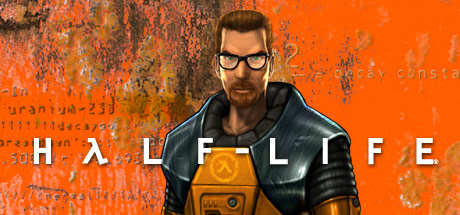
When Valve shipped Half-Life in 1998, it did something most studios of the era did not: it handed players the keys. Alongside the retail game came a software development kit with the source for the game logic and a set of map tools. That decision, more than any single mod, is why the next few years produced a strange run of free fan projects that turned into games you could buy in a box.
The engine underneath was GoldSrc, Valve's heavily modified branch of the Quake engine it had licensed from id Software. The level editor was Worldcraft, built by Ben Morris before Valve hired him and renamed the tool Hammer. The C++ game code could be recompiled into a fresh DLL, so a determined hobbyist could change weapons, rules, movement, AI, and player models without ever touching the engine itself.
A mod was just a folder
The low barrier is the whole story. You did not need a publishing deal or an engine license. You needed the retail game, a compiler, and patience. A mod was a folder you dropped into the Half-Life directory and launched from a menu. Servers picked it up the same way. Someone could finish a build on a Friday and find strangers playing it on a Sunday, which is a feedback loop most professional studios would envy.
That structure shaped what got made. People built the games they wished existed and could not otherwise afford to ship.
Four projects that outgrew the folder
Team Fortress had already lived as a Quake mod, and the team behind it joined Valve to build Team Fortress Classic, released in 1999 as a free add-on for Half-Life owners. It is the clearest case of Valve folding a community idea straight into its own catalogue.
Day of Defeat followed a longer arc. It started as a World War II team mod made by volunteers, drew a steady following, and in 2003 Valve bought the rights, hired the team, and put out a retail version distributed by Activision.
Sven Co-op took a different turn entirely. Started in January 1999 by Daniel "Sven Viking" Fearon, it let players run Half-Life's single-player campaign and custom maps cooperatively. It never became a paid Valve product. Instead it kept going as a community project for seventeen years, and in 2016 it shipped for free on Steam as a standalone game that no longer required owning Half-Life.
Counter-Strike is the famous one, the round-based counter-terrorist mod that Valve took over in 2000 and later moved to the Source engine in 2004. It deserves its own telling. What matters here is that it was one of several, not a lone miracle. Three of these went from unpaid hobby to retail release. One stayed free and shipped on Steam anyway. The engine did not care which path you took.
Why Valve wanted this
None of it was something Valve merely tolerated. Gabe Newell has said for years that about half of Valve came out of the mod community, and the hiring record backs it up: the Team Fortress and Day of Defeat teams, among others, came in through mods. Half-Life 2 later shipped its own SDK on the Source engine, and that toolchain produced Garry's Mod, Garry Newman's sandbox project from December 2004 that Valve eventually published as a standalone game.
There is a practical lesson in here for anyone releasing a mod today. The thing that turned these projects into games was not budget. It was an open toolchain, a clear file structure, and a community that could play your work the day you posted it. The GoldSrc SDK was crude by modern standards, but it got the important part right: it assumed the people who bought the game might want to remake it.
What it left behind
A mod is a bet that someone other than the original studio has a good idea about the game. Half-Life's SDK made that bet cheap to place, and several people who took it ended up shaping a long stretch of PC multiplayer that came after. Most mods that load today are descended, one way or another, from that 1998 decision to ship the source with the game. The tools have changed a lot. The bet has not changed at all.